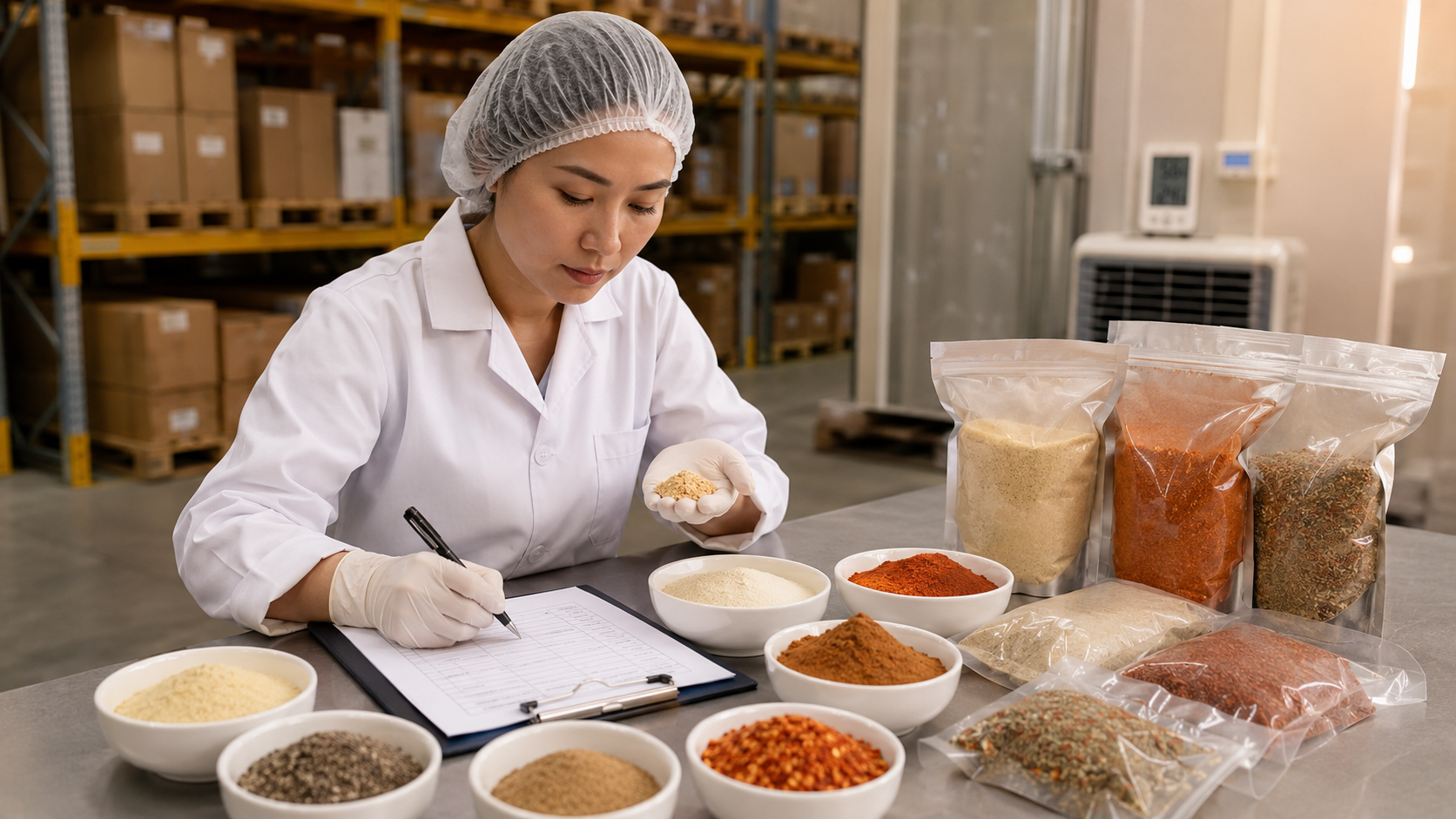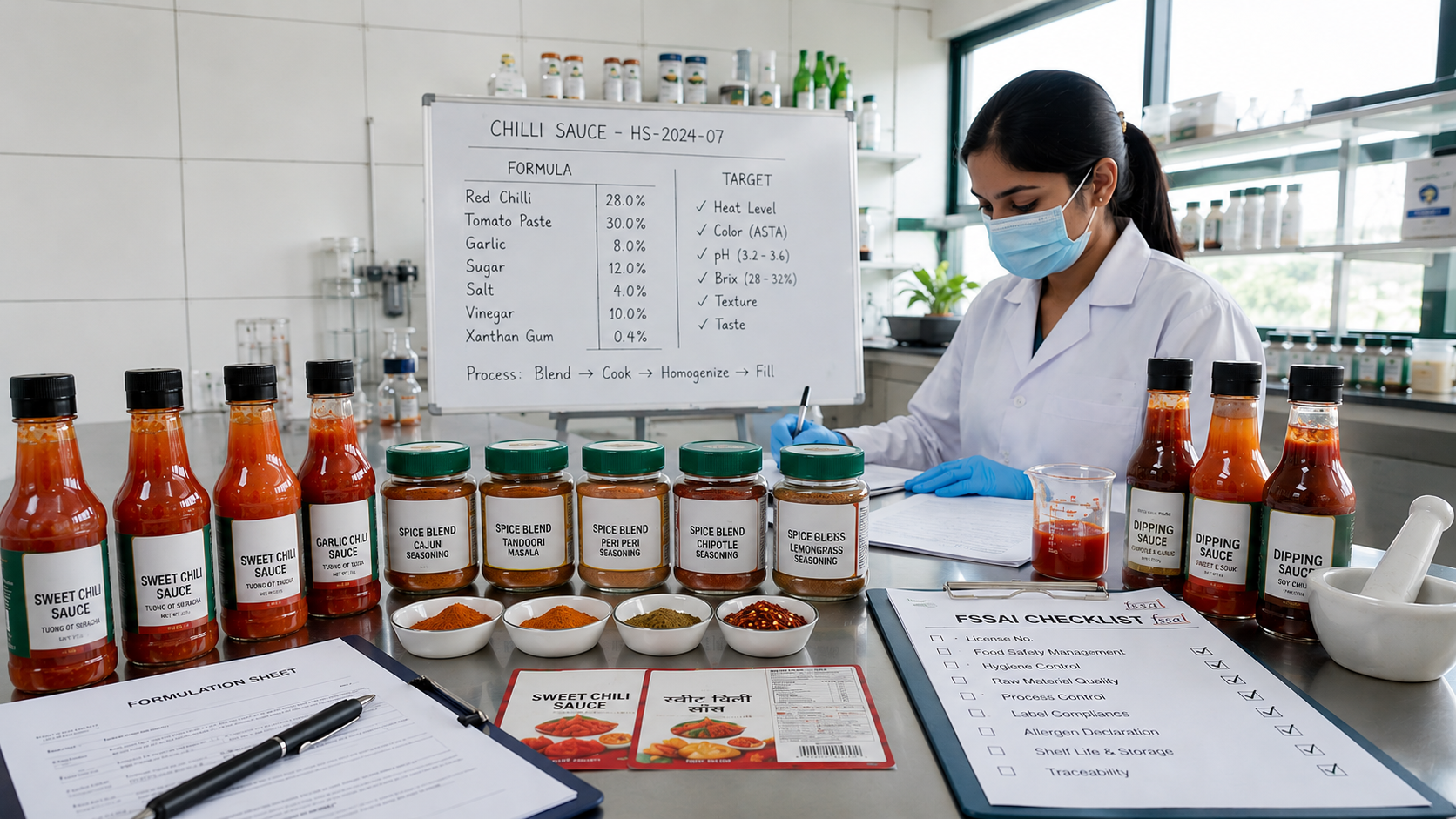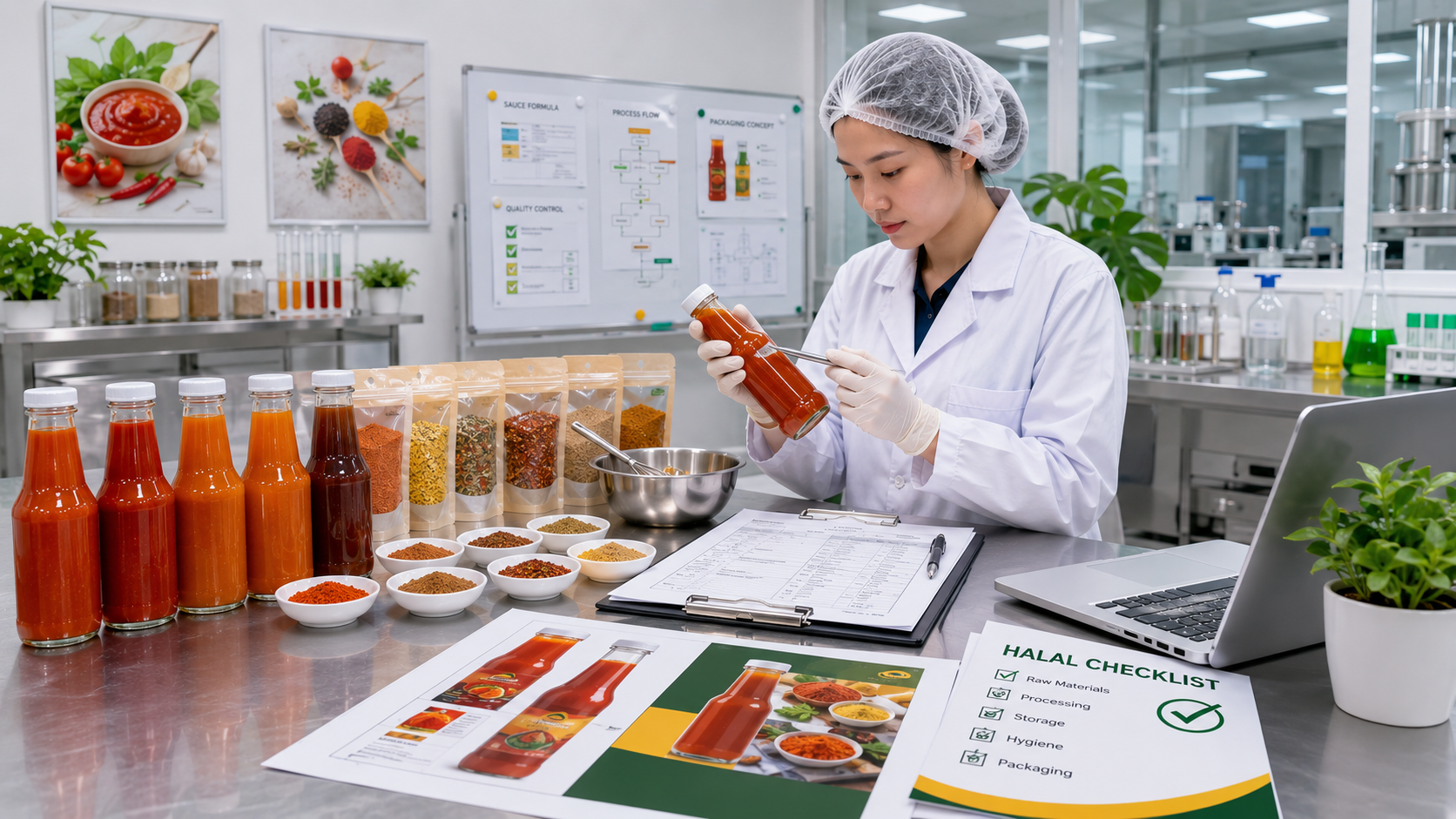


Qatar is a high-purchasing-power GCC market with strong reliance on imported food, modern retail, and a developed HORECA system. Yet a seasoning product needs more than good taste or a Halal logo. Businesses should prepare clear formulas, ingredient dossiers, accepted certification logic, Arabic/English labeling, heat-resistant packaging, a suitable importer, and a realistic channel plan.
Why should Qatar matter to seasoning and sauce businesses?
Qatar matters because it combines strong import demand, good purchasing power, modern retail, and a food-service environment shaped by hotels, restaurants, central kitchens, catering, and international consumers. The opportunity is real, but only when the product has clear documentation, stable quality, and a channel-specific entry plan from the beginning.
Qatar is one of the Gulf markets worth serious attention from Vietnamese food businesses. The country is not large in population, but it has strong purchasing power, developed retail, a growing hotel and restaurant ecosystem, and significant demand for imported food.
For Vietnamese seasoning businesses, opportunities may appear in chili sauce, garlic sauce, sweet-and-sour sauce, soy sauce, dipping sauce, marinades, spice blends, food-service sauces, plant-based products, and private-label lines. However, Qatar is not a market to enter in a rush.
A product can taste good in Vietnam, look attractive on shelf, and carry a Halal certificate, yet still fall short for Qatar if the business has not prepared Arabic/English labeling, ingredient records, production controls, shelf-life logic, heat-resistant packaging, logistics, storage conditions, and local importer requirements.
For Hoa Sen Foods, the first question is not whether Qatar is a premium market. The sharper question is whether the product is clear enough in formula, ingredients, Halal logic, label, shelf life, packaging, logistics, and distribution channel to move into Qatar.
Which product groups may fit Qatar?
The strongest starting point is usually a focused product set, not a full catalog. Products should be easy to understand, useful in retail or food service, stable under hot-market logistics, and backed by ingredient and Halal documentation that an importer can review.
- Chili sauce, garlic sauce, sweet-and-sour sauce, tamarind sauce, and Asian-style spicy sauces.
- Dipping sauces, soy sauce, chili sauce, ketchup, black sauce, and plant-based dipping products.
- Grill marinades, seafood seasonings, restaurant-use seasoning bases, spice blends, and seasoning mixes.
- Dipping salts, dry seasoning powders, and food-service spice formats.
- Vegetarian and plant-based products with no animal-derived ingredients.
- Food-service formats for hotels, restaurants, central kitchens, catering, and F&B chains.
- Private-label products for Qatari importers, retailers, or distributors.
How should Halal be understood in the Qatar context?
For Qatar, Halal is a foundation of consumer trust. In seasoning, it should not be treated as a simple mark on the label. It is a system of evidence that connects formula, ingredient sourcing, production control, certification acceptance, labeling, and import documentation.
In seasoning products, Halal risk is often not found in obvious ingredients such as salt, sugar, pepper, chili, garlic, or onion. Risk often appears in smaller but important components: flavorings, carriers, solvents, flavor enhancers, enzymes, fermented ingredients, colors, preservatives, stabilizers, emulsifiers, processing aids, and direct food-contact packaging.
The better question is not “Is this product Halal?” as a feeling. The better question is: does this product have enough evidence to prove Halal suitability when a Qatari importer, inspection body, or customer asks?
| Control layer | Questions the business should answer |
|---|---|
| Product formula | Does the product contain alcohol, pork derivatives, gelatin, enzymes, emulsifiers, fats, animal-derived flavorings, or animal-origin additives? |
| Ingredient chain | Does each ingredient have a specification, COA, Halal certificate if needed, supplier information, origin record, and change-control commitment? |
| Production process | Is there cross-contamination risk? Are sanitation, retained samples, batch codes, traceability, and change control clearly documented? |
| Certification, label, and import | Will the Qatari importer accept the Halal certificate? Are Arabic/English labels and import documents confirmed before printing? |
How is Qatar different from the UAE, Bahrain, and Oman?
Qatar has strong purchasing power and an important HORECA market, but its market size is still limited. Businesses should choose lead products, reasonable MOQs, and suitable import partners instead of sending a broad catalog and hoping demand will appear.
- Compared with the UAE: Qatar does not play the same re-export role as Dubai, but it can suit consumption, food service, modern retail, and premium imported food strategies.
- Compared with Bahrain: Qatar may have stronger purchasing power in several segments, but market-entry cost, listing, logistics, inventory, and storage should be calculated carefully.
- Compared with Oman: Qatar is more international in its expatriate and HORECA segments, but it remains a compact market. The first product should be focused, easy to explain, and well documented.
The practical point is simple: Qatar is not a market where a product can be placed and then left to sell itself. The local importer helps confirm labeling, certification, registration, testing, storage, pricing, and sales-channel expectations.
Why should the seasoning industry be especially careful before entering Qatar?
Seasonings look simple, but their formulas can be complex. A bottle of sauce or a pouch of spice blend may contain many small components, each of which can affect Halal suitability, labeling, import review, shelf life, and product stability in a hot market.
- Flavorings and aroma compounds: check origin, carrier, solvent, production process, and the certificate of the flavoring itself.
- Flavor enhancers and umami bases: MSG, nucleotides, yeast extract, hydrolyzed protein, amino acids, soy sauce, and fermented pastes require clear records.
- Fermented ingredients: do not assume they are suitable or unsuitable. Ask for data, certificates, and supplier confirmation.
- Animal-derived ingredients: gelatin, collagen, meat extract, animal enzymes, and animal-derived flavorings increase Halal risk.
- Alcohol and solvents: these should be verified early, especially in flavorings, extracts, or fermented ingredients.
- Direct food-contact packaging: bottles, caps, seals, laminated films, jars, adhesives, inks, and coatings can affect safety, odor, color, leakage, and shelf life.
- Hot-climate stability: Qatar is hot. Products should be checked for transport, warehouse, shelf display, and last-mile delivery conditions.
- Shared production lines: cross-contamination, sanitation records, batch coding, retained samples, and traceability should be controlled.
A straightforward rule is useful here: Halal is not only about being clean. It is about being clean, suitable, stable, and supported by evidence.
Which products should a business start with in Qatar?
A business should not take the whole catalog into Qatar at once. It should select one to three lead products with lower Halal risk, clear records, heat-resistant packaging, realistic MOQ, and high applicability in modern retail, food service, or private label.
| Product group | Opportunity in Qatar | What to control |
|---|---|---|
| Chili sauce, garlic sauce, Asian-style spicy sauce | Fits multicultural consumers, restaurants, snacks, grilled food, seafood, rice dishes, and fried food. | Heat level, color and aroma stability, heat-resistant packaging, Halal label logic. |
| Marinades and seasoning sauces | Can enter hotels, restaurants, central kitchens, catering, and F&B chains. | Stable quality, larger formats, volume-based pricing, ingredient dossier. |
| Spice blends and seasoning mixes | Good for shipping and shelf life; suitable for Southeast Asian, seafood, dipping, and private-label concepts. | Moisture control, anti-caking performance, evidence for additives and flavorings. |
| Soy sauce, dipping sauce, plant-based sauce | Lower Halal risk and can serve multiple consumer groups. | Fermented ingredients, salt level, additives, flavorings, and shelf life. |
| Private label for importers or retailers | Practical if the Qatari partner wants its own label, flavor, or pack size. | Recipe confidentiality, certification responsibility, MOQ, and sample-development timeline. |
Why should the Qatar entry channel be chosen before certification?
The channel decides the pack size, price, label, documentation, and selling story. A supermarket product is not the same as a hotel kitchen product. A private-label line is not the same as an online trial product. Choosing the channel first prevents certification and packaging decisions based on guesswork.
| Entry channel | Best fit | Priority preparation |
|---|---|---|
| Modern retail | Supermarkets, hypermarkets, and imported-food stores. | Attractive packaging, Arabic/English label, nutrition information, retail price, and display plan. |
| HORECA and food service | Hotels, restaurants, central kitchens, catering, and F&B chains. | Larger formats, volume-based pricing, stable quality, and reliable supply. |
| Expatriate communities | Asian products, spicy sauces, Vietnamese dipping sauces, and Southeast Asian seasonings. | Specialized import channel, restaurants, online testing, and focused distribution. |
| Private label | Importers or retailers wanting their own brand. | Recipe ownership, packaging design, certification responsibility, MOQ, and confidentiality. |
| Online | Demand testing and product storytelling. | Import legality, labeling, claims, food safety, and Halal support when claimed. |
What is the 10-step roadmap for preparing seasoning products for Qatar?
A practical Qatar roadmap starts before certification or large packaging print. The business should first confirm the sales channel, importer, lead product, formula evidence, ingredient risks, production controls, labeling requirements, and first-shipment test plan.
- Define the sales channel and importer. Work early with the Qatari importer to confirm Halal, Arabic/English label, dossier, storage, pricing, and distribution requirements.
- Select lead products. Prioritize products with clear records, easy-to-understand flavor, strong packaging, and high applicability.
- Create a detailed formula table. Each ingredient should include technical name, supplier, origin, function, Halal status, specification, COA, and risk note.
- Classify ingredient risks. Separate ingredients into low, medium, and high risk groups before submitting or printing anything.
- Recheck suppliers. Ask suppliers for specifications, COAs, Halal certificates if available, and notification commitments when origins or certificates change.
- Rework the formula through R&D if needed. Replace unclear or unsuitable ingredients with better-documented alternatives.
- Control production and cross-contamination. Check receiving, storage, weighing, mixing, heating, filling, packing, batch coding, and retained samples.
- Select a suitable certification body. Confirm with the Qatar importer which Halal certificate is accepted and whether the scope matches the product.
- Prepare Arabic/English labeling. Do not print large packaging quantities until label content, date format, claims, and mandatory information are confirmed.
- Run trial production and the first shipment. Treat the first shipment as a commercial test for taste, packaging, price, channel response, storage, and reorder potential.
What documents should a seasoning business prepare?
A clear dossier helps the importer, certification body, testing partner, and internal R&D team work with less friction. It also shows where the product is already strong and where evidence is still missing before export.
| Document group | Recommended content |
|---|---|
| Product dossier | Product name, description, formula, process, quality criteria, shelf life, storage conditions, product image, and pack format. |
| Ingredient dossier | Ingredient list, specifications, COAs, Halal certificates if available, origin, additives, supplier commitments, and alternative options. |
| Factory and process dossier | Process flow, sanitation, cross-contamination controls, batch control, retained samples, deviation handling, complaints, and recall procedure. |
| Packaging and label dossier | Arabic/English label artwork, nutrition information if applicable, claim evidence, packaging specifications, barcode, carton, batch code, and expiry date. |
| Commercial dossier | Importer, sales channel, priority area such as Doha, Al Rayyan, or Lusail, target price, MOQ, delivery terms, and market-test plan. |
What mistakes do Vietnamese seasoning businesses often make in Qatar?
The common mistake is assuming that Qatar is small, so entry will be simple. In reality, a compact market can still have strict expectations for dossier quality, labeling, storage, importer capability, product stability, and channel fit.
- Thinking Qatar is easy because the market is not large.
- Failing to define the channel before choosing packaging, MOQ, and certification direction.
- Using a Halal certificate that the importer has not confirmed as acceptable.
- Keeping formula records vague with words such as “flavoring,” “additives,” or “flavor enhancer” without clear supporting documents.
- Using packaging that cannot handle hot climate, long transport, storage, and shelf display.
- Setting a price that does not match the target channel.
- Making the first MOQ too large for importer testing.
- Skipping taste tests with the importer, chefs, target consumers, or HORECA users before scaling production.
- Using strong claims such as “100% natural,” “healthy,” “organic,” “Halal certified,” “no preservative,” “vegan,” or “sugar-free” without sufficient evidence.
Where can Hoa Sen Foods support businesses preparing for Qatar?
Hoa Sen Foods can support the foundation stage: product ideation, formula development, sample testing, flavor adjustment, packaging and cost optimization, basic ingredient-risk review, production control, retained samples, batch information, and technical information for export partners.
As a production and R&D back-end partner for seasoning and food brands, Hoa Sen Foods can help clients develop seasonings, dipping sauces, sauces, pastes, dipping salts, and packaged food products for target markets such as Qatar.
Hoa Sen Foods can also support practical preparation before a client works deeply with importers, laboratories, or certification bodies. This includes reviewing formula logic, testing samples, optimizing pack size, controlling production and packaging, and protecting client formulas and commercial information.
Direct note: Hoa Sen Foods is not a Halal certification body. For official certification requirements in Qatar, businesses should work with an authorized certification body and confirm suitability with the importer or relevant authority. Strong certification preparation still begins with clear formulas, clear ingredients, controlled production, and complete records.
What are the 5 control layers before exporting to Qatar?
Before going further, a business should check five layers: formula, ingredient dossier, production, label and packaging, and commercial readiness. If one layer is weak, it should be corrected before certification, packaging print, or shipment.
| Layer | Key question | Required result |
|---|---|---|
| 1. Formula | What is inside the product? Are there Halal-risk ingredients? Can unclear ingredients be replaced? | The formula is transparent and risk-managed. |
| 2. Ingredients | Does each ingredient have specifications, COA, Halal certificate if needed, supplier data, and origin information? | The dossier can be explained to importers and reviewers. |
| 3. Production | Does the process control cross-contamination, sanitation, batch coding, retained samples, packaging, and traceability? | Production is stable and documentable. |
| 4. Label and packaging | Does the product have Arabic/English label content, ingredients, nutrition, shelf life, batch number, storage, allergens, and suitable claims? | Label and packaging risk is reduced before export. |
| 5. Commercial readiness | Are the sales channel, price, pack size, importer, and market-test plan clear? | The first shipment has a realistic commercial purpose. |
Conclusion: enter Qatar with preparation, not broad expectations
Qatar is a high-purchasing-power GCC market with strong reliance on imported food, modern retail, developed HORECA, and diverse international consumers. It is an attractive market, but not an easy one if a business only sees “high purchasing power” and ignores label, Halal, formula, documentation, storage, certification, importer, and channel strategy.
A seasoning product prepared for Qatar needs five clear foundations: formula, Halal logic, label, quality, and commercial plan. The business should know what is inside the product, where the risks are, how the label is supported, how the product behaves in hot-market logistics, and which channel the first shipment is meant to test.
For Hoa Sen Foods, a flavor idea is not only a formula. It can be the ambition of a brand owner entering a new market, a distributor building a private label, or an F&B business standardizing a packaged product. Qatar is worth testing, but it should be tested with preparation: who the product serves, which channel it enters, what the importer requires, and how the first batch will be evaluated.
Contact Hoa Sen Foods for formula consulting, sample testing, and suitable contract manufacturing plans for seasoning and food products prepared for the Qatar market.
Download the in-depth Halal guide for the Qatar market
FAQ
Is Halal required to export seasonings to Qatar?
Halal is very important for consumer trust and import readiness in Qatar. The exact requirement should still be confirmed by product type, sales channel, importer, and relevant authority before printing labels or shipping.
Do plant-based seasoning products still need Halal review?
Yes. Plant-based products usually carry lower risk, but flavorings, additives, fermented ingredients, processing aids, and cross-contamination risks still need to be checked.
Why are Arabic/English labels important for Qatar?
The label is not only packaging design. It relates to ingredients, nutrition, shelf life, allergens, claims, storage conditions, batch code, and importer or inspection requirements.
Is Qatar suitable for food-service seasoning products?
Yes. HORECA, hotels, restaurants, central kitchens, and catering can be strong entry channels, especially for sauces, marinades, dipping sauces, and larger food-service formats.
Does Hoa Sen Foods provide Halal certification?
No. Hoa Sen Foods is a production and R&D partner for seasoning and food products. It can support formula development, production control, technical records, and coordination information so clients can work with a suitable certification body.
Author
Author: Hoa Sen Foods Content Team [to be added]
Professional focus: Spice and food contract manufacturing, seasoning R&D, sample development, production, packaging, and private-label support.