

Sitting in a cafe in Dubai last year, a regional food distributor confessed something surprising to me. He had been buying massive quantities of cinnamon and pepper for his brand through a European broker for a decade. Only recently did he actually look closely at the origin paperwork.
He realized almost all of it came from Vietnam.
For a very long time, this Southeast Asian nation operated quietly in the background. Acting as a silent agricultural powerhouse, it supplied the raw materials that other countries branded and sold at a premium.
But here’s the thing. The entire system governing the Vietnamese spices export industry is changing rapidly right now. Instead of just shipping raw bulk bags to expensive middlemen, the country is stepping up as a direct manufacturing hub. Modern OEM partners now process, blend, and pack these ingredients right at the source.
Look at the raw data for a moment. Currently, Vietnam sits comfortably as the number one exporter of black pepper in the world. Looking at cassia cinnamon, star anise, and turmeric, it consistently ranks in the top three globally.
If you are building a Halal food brand, you absolutely need to understand exactly what grows here. Finding the right top spices Vietnam produces can drastically improve your product quality and your profit margins.
From what we’ve seen, shifting your sourcing directly to the origin completely transforms your supply chain. Let’s break down the 10 most powerful ingredients driving this export boom. We will also explore how they fit perfectly into Middle Eastern and global cuisines.
- Placement: Right after the introduction.
- Visual: A high-quality, vibrant Infographic mapping out Vietnam. It should highlight the specific regions where pepper, cinnamon, and star anise are grown, titled “The Map of Top Spices Vietnam”.
- Alt Text: An infographic map showing the origin regions for the booming Vietnamese spices export market.
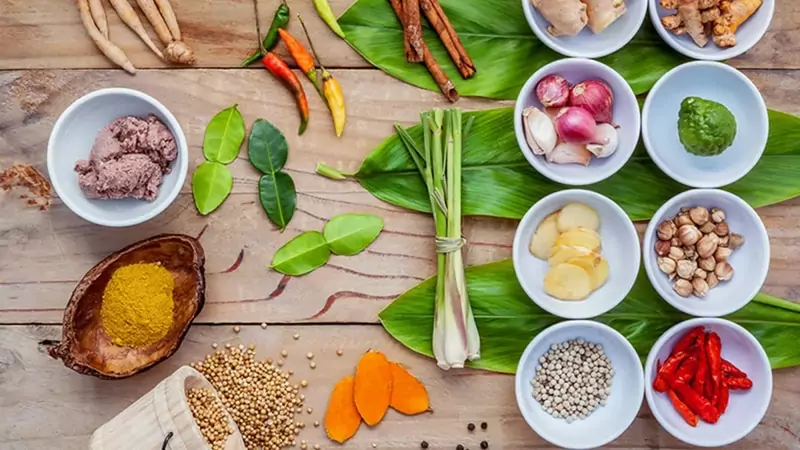
1. Black Pepper: The Undisputed King of Top Spices Vietnam
When people talk about the Vietnamese spices export sector, black pepper is always the main character.
Holding roughly 40% of the entire global market share, this country practically controls the world’s pepper supply. The secret lies in the Central Highlands. Regions like Dak Lak, Gia Lai, and Binh Phuoc feature rich basalt soil and a perfect tropical climate.
Because of these ideal growing conditions, the peppercorns develop an incredibly high piperine content. This gives them a sharp, biting heat that chefs absolutely love.
To be fair, this isn’t always the case with every single farm. Quality can vary wildly depending on how the farmers dry and process the harvest. But when sourced correctly through a thorough quality control system, the aroma is unmatched. In the context of Halal food manufacturing, black pepper is an absolute baseline ingredient.
Think about the massive volumes required for commercial BBQ rubs. Consider the shawarma spice blends and meat marinades used heavily across the GCC. Buying this directly from a Vietnamese OEM means you get freshly ground pepper. It hasn’t been sitting in a transit warehouse losing its volatile oils for six months. Use fresh pepper, and your blends will naturally taste more vibrant.
2. Cassia Cinnamon: Fueling the Vietnamese Spices Export Boom
Ask any seasoned baker or spice blender about cinnamon, and they will tell you there is a big difference between Ceylon and Cassia.
While Ceylon is mild and delicate, Vietnamese Cassia packs a serious punch. Frequently grown in the northern mountainous region of Yen Bai, this variety contains a much higher concentration of essential oils.
Providing a bold, spicy-sweet flavor, Cassia cinnamon holds up incredibly well under high cooking temperatures.
Because GCC consumers appreciate rich, deep flavors, this specific profile fits the Middle Eastern palate perfectly. You will find Vietnamese Cassia heavily used in traditional Kabsa blends, spiced teas, and commercial bakery formulations.
As a major pillar of the Vietnamese spices export economy, Cassia offers incredible value. Process this raw material correctly, and it becomes a highly profitable product. When we process this for our OEM clients, we grind it to exact micron specifications. Doing this helps ensure it dissolves perfectly into your proprietary powder blends without leaving a gritty texture.
3. Star Anise: A Signature Offering Among Top Spices Vietnam
Driving through the northern provinces of Lang Son and Quang Ninh during the harvest season is an incredible experience. The air literally smells like licorice.
Star anise is a visually beautiful spice. Its true value, however, lies in its intense flavor extraction. Serving as the foundational flavor note in Vietnam’s famous Pho noodle soup, it also plays a massive role in global spice blends.
Look at traditional Middle Eastern and Indian cooking. You will find star anise deeply embedded in biryani mixes, rich meat stews, and complex curry powders. It gives dishes a warm, sweet, and highly aromatic background note.
Sourcing star anise directly from the top spices Vietnam offers gives you a distinct advantage. Because the essential oil yield from Vietnamese star anise is exceptionally high, manufacturers need to use less raw material to achieve the desired flavor intensity. Put in place the right extraction methods, and this naturally helps improve the cost-efficiency of your final product.
4. Turmeric: The Golden Driver of Vietnamese Spices Export
Over the last five years, the global demand for turmeric has skyrocketed.
Driven by the massive health and wellness trend, consumers are constantly looking for “superfoods.” Turmeric, with its exceptionally high curcumin content, fits that demand perfectly.
Grown extensively across the central and northern regions, Vietnamese turmeric boasts a vibrant, deep orange-yellow color. It carries a strong, earthy flavor.
Consider the applications in the Halal market. Beyond traditional curry powders and yellow rice seasonings, we see a huge spike in demand for functional foods. Brands are constantly asking for OEM turmeric blends for “golden milk” lattes, health shots, and immunity-boosting seasoning packets.
Use thoroughly tested, high-curcumin turmeric from the Vietnamese spices export market, and your brand can easily capitalize on this profitable health trend. We carefully test every batch to ensure heavy metal compliance, which is critical for GCC export.
5. Chili (Fresh & Dried): Firing Up Top Spices Vietnam
Spicy food is no longer a niche market. It is a global obsession.
Vietnam cultivates a massive variety of chilies. These range from mild, sweet varieties to blistering, high-Scoville peppers. Cultivated heavily in the central and southern provinces, these chilies form the backbone of the Asian condiment industry.
If you want to start a hot sauce brand, this is exactly where you begin.
Using local chilies, manufacturers can produce everything from smooth Sriracha-style sauces to chunky, garlic-infused chili pastes. Because the raw material is available year-round, production remains highly stable and cost-effective.
Check out our dedicated Halal Sauces manufacturing capabilities to explore exactly how these chilies are transformed into commercial products. Choosing chilies from the top spices Vietnam catalog guarantees a consistent heat level for your commercial sauces.
- Placement: After the Turmeric and Chili sections.
- Visual: A close-up, high-resolution photo of vibrant yellow turmeric powder next to bright red dried chilies in rustic wooden bowls.
- Alt Text: Turmeric and chili are leading the Vietnamese spices export boom.
6. Ginger: The Aromatic Engine of Vietnamese Spices Export
You cannot build a thorough Asian or Middle Eastern flavor profile without ginger.
Cultivated in the hilly terrains of the north and central regions, Vietnamese ginger tends to be slightly smaller than varieties grown elsewhere. It is, however, significantly more pungent. It carries a sharp, fiery kick that instantly elevates a dish.
In our experience, ginger is one of the most versatile ingredients on the factory floor.
Process it into a fine powder, and it becomes a core component for baking spices and meat rubs. Blend the fresh root, and it serves as the perfect base for wet marinades and cooking pastes. As the Vietnamese spices export volume grows globally, ginger remains a highly requested item for custom OEM blends.
Put in place strict drying protocols, and you ensure the ginger powder retains its sharp aroma without turning bitter during processing.
7. Garlic: The Pungent Baseline of Top Spices Vietnam
While China dominates the sheer volume of global garlic production, Vietnam focuses heavily on specific, highly aromatic varieties.
Take the garlic grown on Ly Son island, for example. It is famous nationwide for its distinct, subtly sweet, and intensely aromatic profile. Even the standard garlic grown in mainland provinces like Hai Duong carries a much stronger punch than typical commercial varieties found in Europe.
For an OEM manufacturer, garlic acts as the ultimate baseline flavor.
Dehydrating and granulating local garlic allows us to create premium garlic powders. These specific powders don’t clump or lose their aroma after a month on the shelf. Whether you are formulating a simple garlic salt or a highly complex shawarma seasoning, using garlic from the top spices Vietnam list ensures a deep, savory foundation.
8. Lemongrass: The Citrusy Secret Weapon in Vietnamese Spices Export
Lemongrass is deeply tied to Southeast Asian cooking. Clever food scientists and chefs in the Middle East, however, are starting to adopt it rapidly.
Offering a clean, earthy, and bright citrus flavor, it cuts through heavy, fatty meats perfectly.
When analyzing the latest Vietnamese spices export trends, dried lemongrass is undoubtedly a rising star. Because it pairs so beautifully with chili, garlic, and ginger, it is becoming a staple in fusion marinades and grilling sauces. It provides a unique top note that elevates heavy, traditional sauces.
Use the right drying techniques, and lemongrass retains its essential oils for over a year. We frequently process this into fine powders or dried flakes for clients looking to add a unique, zesty note to their custom spice mixes.
9. Galangal: The Peppery Cousin Among Top Spices Vietnam
Often confused with ginger, galangal actually has a completely different flavor profile.
It is sharper, slightly piney, and carries a distinct peppery bite. Essential for authentic Thai and Vietnamese soups, it is now finding its way into international flavor bases.
While it might not have the massive export volume of black pepper, galangal represents the specialized depth of the top spices Vietnam catalog.
For brands looking to launch authentic Asian cooking kits or ready-to-use curry pastes in the GCC, sourcing high-quality galangal directly from Vietnam is absolutely critical. We help extract this flavor into easy-to-use industrial pastes and powders. Doing this keeps the volatile oils totally intact during the industrial grinding process.
10. Cardamom: The Smoky Star of Vietnamese Spices Export
Finally, look at the mountainous northwest regions of Vietnam. Here, specific local varieties of cardamom grow wild under the deep forest canopy.
Vietnamese black cardamom (Thao Qua) is uniquely smoky and intensely aromatic.
Used heavily in traditional broths, it offers a flavor profile that is deeply complex. While the Middle East traditionally prefers green cardamom for coffee and sweets, the smoky notes of Vietnamese black cardamom are increasingly used in savory meat rubs.
It adds a rich layer of depth that artificial smoke flavors simply cannot replicate. Harvesting this spice requires careful manual labor, making it a highly prized commodity in the Vietnamese spices export market.
- Placement: Towards the end, before the conclusion.
- Visual: A busy, modern blending machine in a clean stainless-steel factory, showing raw spices being mixed into a commercial blend.
- Alt Text: Turning the top spices Vietnam offers into commercial OEM blends.
From Raw Materials to Your Brand
Looking at this list, the agricultural power of this country is completely undeniable.
Having great raw materials is only half the battle. If you want to succeed in the highly competitive GCC food market, you need a partner who knows how to handle these ingredients safely and professionally. You cannot rely on brokers who don’t understand factory-level quality control.
This is exactly where Hoa Sen Foods steps in.
We view our business through the lens of a caregiver. We don’t just buy and sell bags of powder. Our goal is to nurture your brand by providing an incredibly stable, high-quality manufacturing backend. Handle the heavy lifting of production with us, and you can focus entirely on marketing and sales.
If you want to understand how this fits into the broader manufacturing landscape, I highly recommend reading our analysis on Why Vietnam Is Your Next Halal Spice Manufacturing Partner. It explains the massive strategic shift happening in global supply chains.
When you work with us to tap into the Vietnamese spices export market, we put in place very strict commitments. These are the rules we live by:
- Raw Material Transparency: We know exactly where our pepper, cinnamon, and turmeric come from. We trace the origins clearly, helping ensure you get exactly what you pay for.
- Absolute Formula Protection: If you ask us to develop a custom blend using these top spices Vietnam provides, that recipe belongs to you. We sign strict NDAs. We will never share or sell your proprietary formulas to a third party.
- Consumer Safety: We categorically refuse to manufacture anything that compromises the health of the end consumer. We use clean ingredients and put in place safe processes.
- Media Privacy: We don’t post your brand name or production volumes on our media channels. You are the star of the show.
We take these commitments very seriously. They are not just marketing slogans.
For a much deeper look at the numbers and production capacities behind these ingredients, you can also explore our thorough Vietnam Spice Industry Overview.
Choosing to build your brand with Vietnamese ingredients gives you a massive advantage. You win in both flavor and cost.
It is time to stop buying from expensive middlemen. Go straight to the source. Let our experienced R&D team take these incredible raw spices and turn them into a finished, Halal-certified product with your logo on it.
Discover how we can blend the perfect flavors for your brand. → Explore our custom OEM Spice Blends here
Frequently Asked Questions
Why is black pepper the biggest part of the Vietnamese spices export market?
Because the Central Highlands offer the perfect combination of volcanic soil, altitude, and tropical climate. This allows Vietnam to produce roughly 40% of the world’s black pepper with highly consistent quality.
Can I get these top spices Vietnam produces in custom commercial blends?
Yes. As an OEM manufacturer, Hoa Sen Foods takes these raw spices, processes them, and creates custom proprietary blends based exactly on your specific flavor profiles and target market needs.
Are the spices grown in Vietnam suitable for Halal certification?
Absolutely. The raw spices themselves are naturally Halal. We then process them in our certified facilities under thorough hygiene protocols. This helps ensure the final packaged product meets all GCC Halal requirements.
How does Hoa Sen Foods protect my custom spice recipe?
Protecting your business is our highest priority. We sign strict Non-Disclosure Agreements (NDAs). We also put in place secure internal systems to guarantee your custom formulas are never shared with any third party.