

Standing in the busy spice aisle of a massive hypermarket in Dubai recently, I noticed a very distinct change in modern shopper behavior regarding the clean label seasoning Middle East market. They weren’t just blindly grabbing the cheapest jar of chicken rub off the crowded shelf anymore. Instead, they were actively picking up the expensive glass bottles, hunting for high-quality natural seasonings GCC families can trust, turning them around carefully, and reading the back ingredient label with intense scrutiny.
From what we’ve seen, this simple, quiet action represents a massive, unstoppable shift in the global food industry. People care deeply about what goes into their bodies today.
But here’s the thing. For many decades, the global condiment industry relied heavily on cheap chemical fillers, artificial colors, and synthetic flavor enhancers to simply cut manufacturing costs. If a legacy brand wanted a bright red Tandoori mix, they simply used harsh chemical dyes. If they wanted a savory soup base, they dumped a massive bucket of cheap Monosodium Glutamate (MSG) into the industrial blender.
Because regional health awareness is skyrocketing right now, that old, toxic chemical playbook is completely dead. Enter the lucrative, highly transparent era of the clean label.
What exactly does this industry term mean? A clean label actively implies a food product made with very few, highly recognizable ingredients that normal consumers actually understand without a chemistry degree. It means absolutely no artificial preservatives, no hidden chemical names, and zero synthetic dyes.
When looking closely at the clean label seasoning Middle East landscape today, you quickly realize this isn’t just a fleeting, temporary dietary fad. It’s a fundamental, permanent mega-trend completely reshaping how profitable brands formulate their retail products for the future. Furthermore, the massive, growing demand for pure natural seasonings GCC consumers are hunting for creates a historic financial opportunity for new, agile food entrepreneurs.
Read this thorough trend analysis carefully to understand the exact market data driving this incredible shift. We’ll show you exactly how replacing artificial chemicals with pure, natural ingredients helps you build a highly profitable, deeply trusted brand in the Middle East.
- Placement: Right after the introduction.
- Visual: A split-screen graphic showing a chemical-heavy ingredient list crossed out in red on the left, and a clean, 5-ingredient list (garlic, salt, pepper, cumin, turmeric) highlighted in green on the right.
- Alt Text: The shift towards clean label seasoning Middle East products.
Analyze the raw market data driving this incredible consumer shift carefully. If you truly want to understand the clean label seasoning Middle East trend, you must look directly at regional health statistics and modern shopping habits currently reshaping the Gulf.
Over the last five years, major government health initiatives across Saudi Arabia (like Vision 2030) and the UAE National Agenda have aggressively promoted healthier, more active living. Because the region historically struggled with incredibly high rates of lifestyle diseases like diabetes, hypertension, and obesity, modern Arab families are actively fighting back through their daily diets.
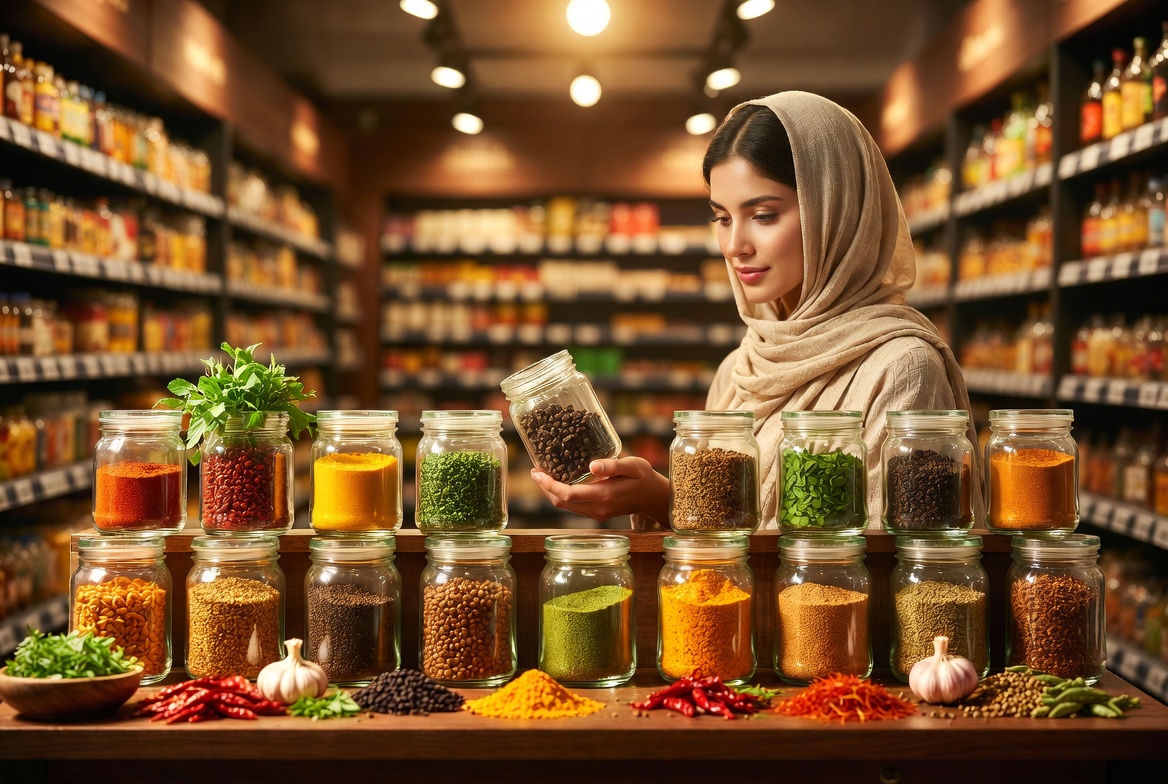
The Psychology of the Modern Gulf Shopper
Review the specific consumer insights from recent Gulf food and beverage surveys. You’ll find that over 65% of GCC shoppers actively prioritize food products specifically labeled “no artificial ingredients,” “preservative-free,” or “100% natural.”
Because the GCC region has one of the highest smartphone penetration rates globally, consumers instantly Google unknown chemical ingredients while standing right in the supermarket aisle. When they see complex terms like “Silicon Dioxide,” “Maltodextrin,” or “Calcium Silicate” on a spice jar, they immediately put the jar back on the shelf in fear.
To be fair, this isn’t always the case across every single demographic layer in the region. Some extreme, lower-income budget segments still prioritize the absolute lowest price over ingredient purity because of financial constraints. However, the rapidly expanding, highly educated middle and upper classes are voting strongly with their wallets for purity, safety, and transparency.
The Problematic Ingredients Consumers Actively Avoid
Look at the specific chemical ingredients that trigger intense consumer fear today when they shop for natural seasonings GCC products.
- Artificial Food Colorings: In the past, achieving the bright, vibrant red color of a traditional spice mix required heavy doses of synthetic dyes like Allura Red (E129) or Tartrazine (E102). Today, health-conscious mothers actively avoid these synthetic dyes because of prominent medical studies linking them to hyperactivity in children.
- Monosodium Glutamate (MSG): While MSG provides a cheap, powerful umami flavor, it suffers from a massive global PR problem. Consumers associate it heavily with headaches, lethargy, and cheap, unhealthy fast food.
- Chemical Anti-Caking Agents: To stop garlic powder from turning into a solid rock in the humid Gulf air, cheap factories use synthetic silicates. Modern consumers prefer natural alternatives, even if it means shaking the glass jar slightly harder during cooking.
Consider the explosive growth of the organic and natural food segments in premium supermarkets like Waitrose and Spinneys in Dubai. These massive supermarket chains have entirely dedicated aisles exclusively for natural foods now. Parents packing daily school lunches absolutely refuse to buy chemical-laden marinades for their children’s chicken nuggets. They actively seek out premium natural seasonings GCC products that proudly use real paprika or natural beetroot powder for color instead.
When modern consumers see a label with only five simple, recognizable ingredients—like dried garlic, sea salt, cracked black pepper, ground turmeric, and roasted cumin—they feel inherently safe. In our experience, this profound feeling of safety instantly builds unbreakable brand loyalty. Trust is unequivocally the ultimate currency in the modern clean label seasoning Middle East market.
Think about the immense financial opportunities this specific health trend presents for your growing business. Transitioning immediately to a clean label seasoning Middle East strategy isn’t just a strong moral choice; it’s a highly profitable, calculated commercial move.
The Economics of Premiumization
Look at the profit margins of natural brands very carefully. Consumers willingly and happily pay a 30% to 40% retail premium for packaged products they perceive as pure, healthy, and natural.
Let’s compare the exact financial math of a standard, chemically enhanced Kabsa spice blend with a pure, clean-label version. The standard chemical version costs your brand 50 cents to manufacture and sells for two dollars on the retail shelf. The premium clean-label version costs you 80 cents to manufacture because pure, natural ingredients like real cardamom and authentic saffron are undeniably expensive.
However, because it carries a highly coveted clean label, it easily commands a retail price of four to five dollars. Calculate the final gross profit carefully. You make significantly more money per individual jar, even while carrying higher raw material costs. Put in place a strong, premium branding strategy to support this higher price tag perfectly. Use beautiful, heavy glass jars instead of cheap, flimsy plastic to signal high quality to the buyer.
Outmaneuvering the Slow Legacy Giants
Because massive, multi-national legacy food corporations move very slowly, they struggle immensely to reformulate their decades-old chemical recipes quickly. Changing a massive global supply chain takes them years of bureaucratic meetings and testing.
This corporate sluggishness creates a massive, wide-open window for agile, modern startups. You can launch a brand-new, healthy line of natural seasonings GCC blends next month and immediately steal valuable market share from the slow-moving giants. Agility is your ultimate weapon in the clean label revolution. When you master the clean label seasoning Middle East market before the big corporations do, you establish an unassailable market position.
Vietnam’s Unfair Natural Advantage
Leverage the incredible agricultural power of Vietnam to build these natural products safely. Why exactly does geographic sourcing matter so much for clean labels? Because when you’re strictly forbidden from using artificial flavor enhancers, your raw, base ingredients must be spectacularly potent on their own.
Vietnam’s central highlands provide incredibly rich, untouched volcanic basalt soil. This fertile soil produces black pepper with an extremely high natural piperine content and cassia cinnamon loaded with intense, sweet essential oils.
When you use naturally potent, high-quality raw materials, you simply don’t need to add any chemical flavor boosters. The natural spice does all the heavy lifting for your flavor profile effortlessly. Building natural seasonings GCC consumers love requires starting with the best dirt on earth.
Check your current supply chain honestly. Are you buying weak, old, stale spices and masking their blandness with heavy chemical salt and synthetic MSG? Stop doing that immediately. Build your growing brand strictly on the solid foundation of authentic, potent agriculture instead.
- Placement: After the Opportunities section.
- Visual: A farmer holding a handful of fresh, rich red chilies in a Vietnamese field, contrasting with a beaker of synthetic red dye.
- Alt Text: Sourcing pure ingredients for natural seasonings GCC consumers trust.
Understand the deep technical hurdles before you launch. While the financial rewards are massive, actually manufacturing natural seasonings GCC products requires intense food science. You cannot simply remove chemicals from a recipe and expect it to behave the same way on a supermarket shelf in Riyadh.
Solving the Shelf-Life Dilemma
Address the expiration date immediately. Traditional chemical preservatives keep spices fresh for three to four years by actively killing all bacteria. When you remove those synthetic preservatives to create a clean label seasoning Middle East product, you must rely entirely on natural preservation methods.
We heavily control the Water Activity (Aw) in our factory. By dehydrating raw garlic, onion, and chili to incredibly low moisture levels using advanced, low-heat ovens, we naturally prevent bacterial growth without using a single drop of chemicals. Put in place extremely strict moisture control, and your natural product will easily last 18 to 24 months perfectly.
The Natural Anti-Caking Puzzle
Prevent clumping naturally to keep consumers happy. The Middle East is incredibly humid during the summer months. If you ship pure onion powder to Dubai without chemical silicates, it will quickly turn into a solid brick inside the glass jar.
To solve this, our food scientists use premium natural alternatives. We gently blend finely milled rice flour or natural bamboo fiber into the spice mix. These natural ingredients actively absorb excess ambient moisture without adding any strange, chemical aftertaste to the final dish. Overcoming this technical hurdle is the secret to dominating the natural seasonings GCC market.
Partner exclusively with a sophisticated manufacturer who treats consumer health as a highly sacred responsibility. At Hoa Sen Foods, we view our specific corporate role as the deeply committed “Caregiver” for both your brand and your end consumer.
In our experience, creating a truly pure clean label requires intense food science, immense patience, and deep dedication. It’s incredibly easy to make a BBQ rub taste good when you simply dump a massive bucket of chemical MSG and artificial liquid smoke flavor into the industrial mixer. It’s much, much harder to achieve that exact same savory depth using only pure, natural ingredients.
Advanced R&D for Natural Flavor Profiles
Put our expert R&D laboratory team to work on your specific flavor challenges today. If you bring us a competitor’s chemical-heavy recipe, we’ll actively reverse-engineer it cleanly and safely.
- Replacing MSG Naturally: We expertly replace artificial MSG with natural, highly umami-rich ingredients. We use specific strains of inactive yeast extracts, deeply concentrated mushroom powders, and slow-roasted garlic to build incredible savory depth without the chemical headache.
- Replacing Artificial Dyes: We absolutely refuse to use harmful synthetic dyes in any clean label seasoning Middle East project. We match vibrant colors perfectly using natural turmeric extracts for bright yellows, pure paprika oleoresin for deep oranges, and natural beetroot powder for intense reds.
Taste the massive difference yourself. Our expertly crafted natural blends actually provide a much deeper, more complex, and highly layered flavor profile than the harsh, one-dimensional saltiness of cheap chemical formulas.
The Caregiver Promise
Because we believe deeply in “Sự tử tế” (kindness, empathy, and absolute integrity), we completely refuse to manufacture any products that bring harm to human health. We won’t use dangerous, banned dyes. We won’t use hidden synthetic fillers to cheapen the product artificially.
We genuinely believe that feeding a customer is an intimate act of trust, and we honor that profound trust daily on our loud, busy factory floor. When you want to successfully dominate the natural seasonings GCC market, you desperately need a silent, highly reliable backend partner. We supply the incredibly potent natural ingredients, the rigorous ISO-certified hygiene standards, and the brilliant food science. You supply the bold brand vision.
To explore our exact manufacturing capabilities and see how we blend these natural wonders, visit our dedicated Custom Spice Blends page.
Let’s summarize the ultimate winning formula for the highly lucrative Gulf market perfectly.
Combine strict, verifiable Halal certification with a pristine, totally transparent clean label. In Islamic tradition, the profound concept of Toyyib means that food must be wholesome, pure, ethical, and entirely safe. A cheap food product filled with harsh, synthetic chemicals and artificial dyes might technically pass a basic Halal audit on paper, but it deeply violates the beautiful, holistic spirit of Toyyib.
When you consistently deliver the natural seasonings GCC families can trust implicitly, you align your brand perfectly with both their deep religious values and their modern, progressive health goals. This specific, powerful combination is the absolute ultimate recipe for long-term commercial dominance.
Don’t wait until the retail market is completely saturated with pure products. The clean label seasoning Middle East movement is accelerating rapidly right now, creating millionaires out of fast-moving founders who see the future clearly.
Take the leap. Clean up your ingredient lists today. Respect your consumers’ health fiercely, and they will reward your brand with lifelong, unshakable loyalty.
Ready to develop your highly profitable, clean-label product line?
Frequently Asked Questions (FAQ)
1. What exactly disqualifies a spice blend from being considered a true clean label?
Any inclusion of artificial preservatives (like sodium benzoate), synthetic food dyes (like Red 40 or Yellow 5), artificial flavor enhancers (like MSG), or chemical anti-caking agents (like calcium silicate) completely disqualifies a product from clean-label status. A true clean label seasoning Middle East product contains only recognizable, natural ingredients.
2. Are clean-label spices significantly more expensive to manufacture?
Yes, pure natural ingredients cost more than cheap synthetic chemicals. However, because modern consumers happily pay a high premium (often 30-40% more) for healthy, natural seasonings GCC products, your final profit margins are actually significantly higher per unit sold.
3. How does Hoa Sen Foods prevent clumping without using chemical anti-caking agents?
We actively solve this massive challenge by strictly controlling the moisture levels during the grinding process and using highly effective, natural alternatives. We use finely milled rice flour, natural bamboo fiber, or natural potato starch to keep the spices flowing freely in humid Middle Eastern environments.
4. Can a clean-label spice blend still taste as good as a chemically enhanced one?
It actually tastes much better. By using extremely potent, naturally rich ingredients sourced directly from Vietnam’s volcanic soil, our R&D team builds deep, authentic flavor profiles that completely outshine the harsh, flat taste of artificial chemical enhancers.
5. Why is the clean label seasoning Middle East trend growing so fast specifically?
The rapid growth is driven heavily by major government health initiatives fighting high regional diabetes rates, a highly educated young population with widespread smartphone access, and a deep cultural shift back toward pure, wholesome foods that align with the religious concept of Toyyib.
6. Do supermarkets in Dubai prioritize natural seasonings GCC products?
Absolutely. Major premium retailers like Spinneys, Waitrose, and Choithrams now dedicate massive prime shelf space specifically to organic and natural products. Buyers for these chains actively seek out new clean label seasoning Middle East brands to satisfy their high-income shoppers’ demands.