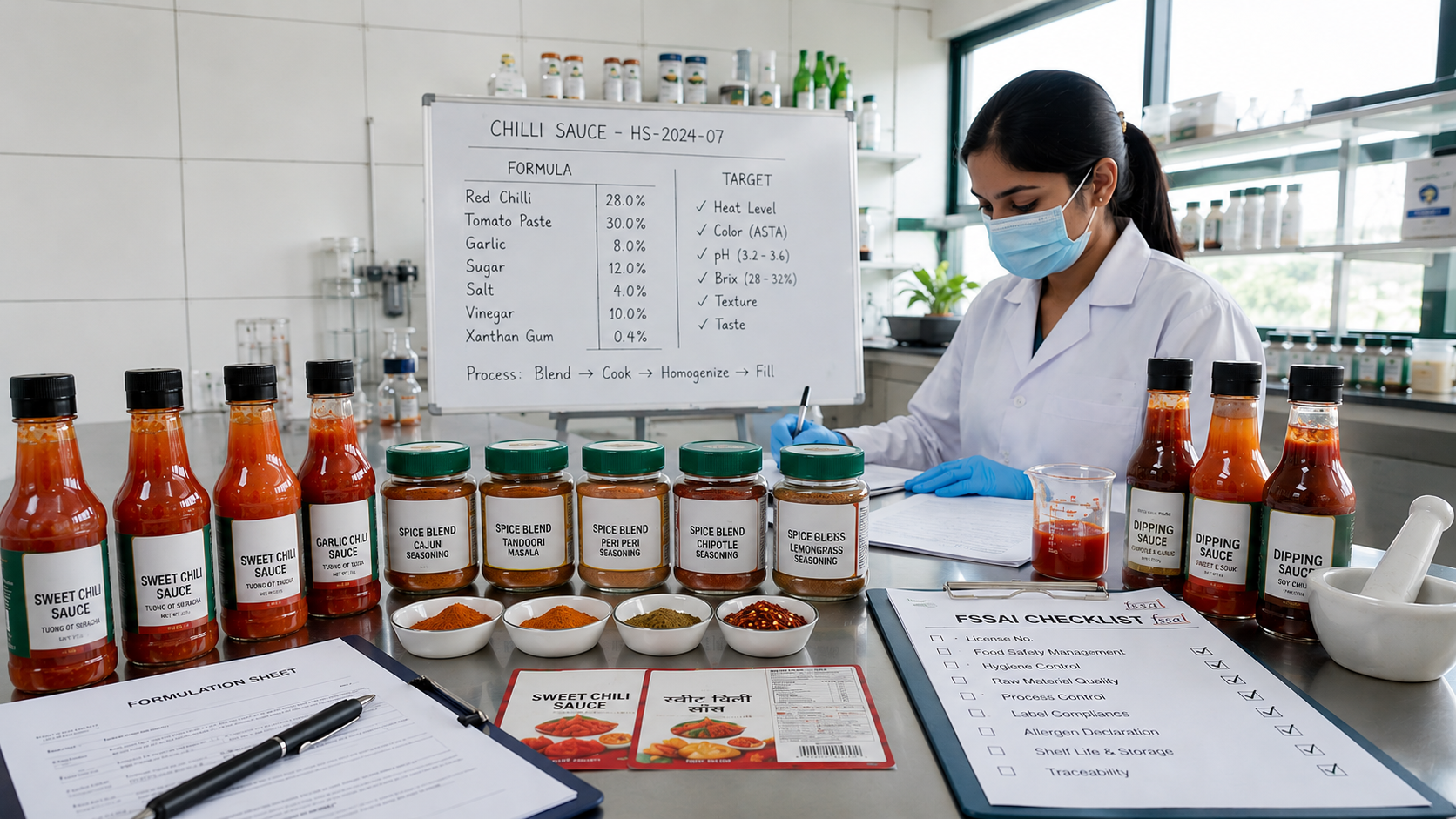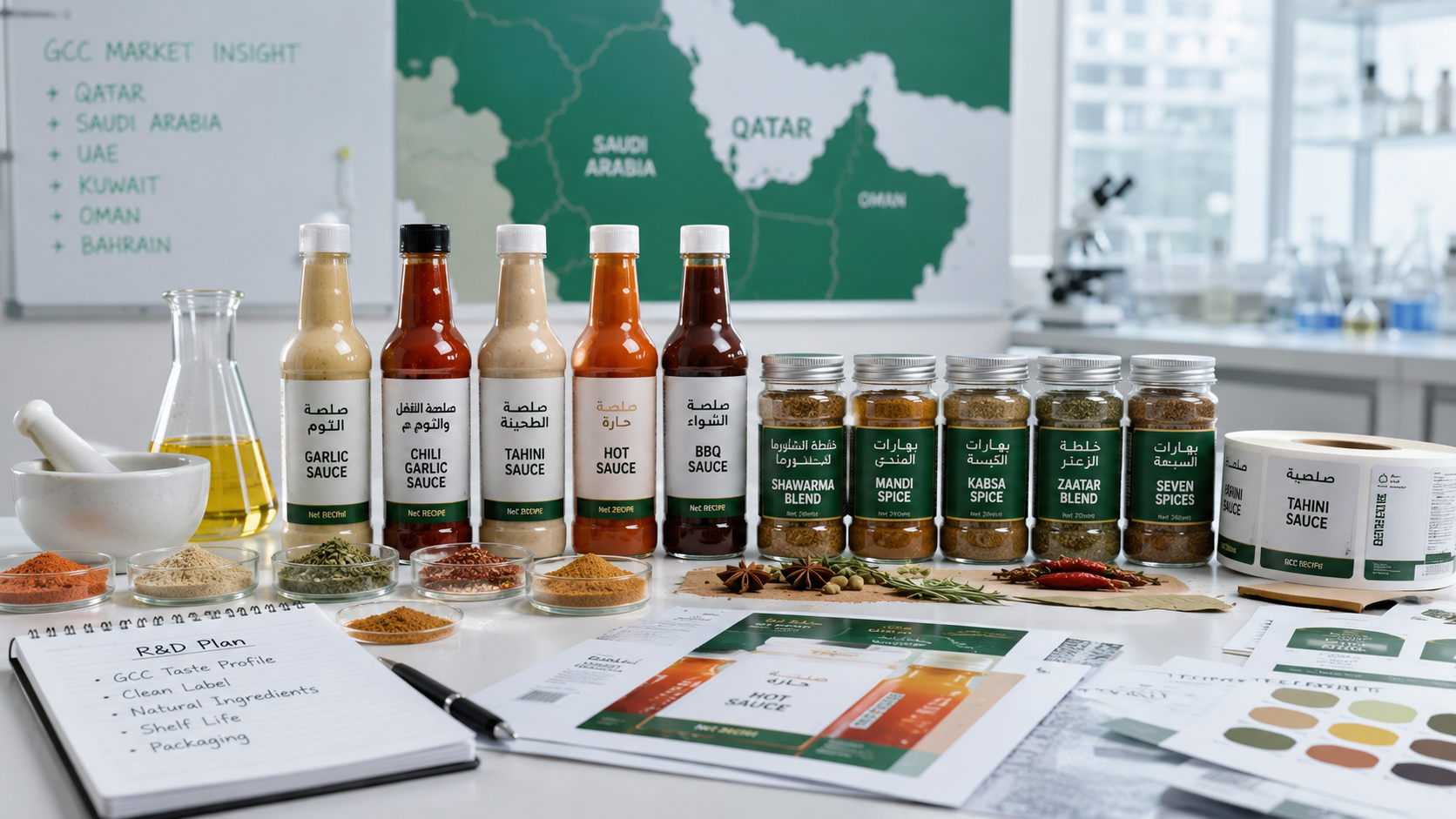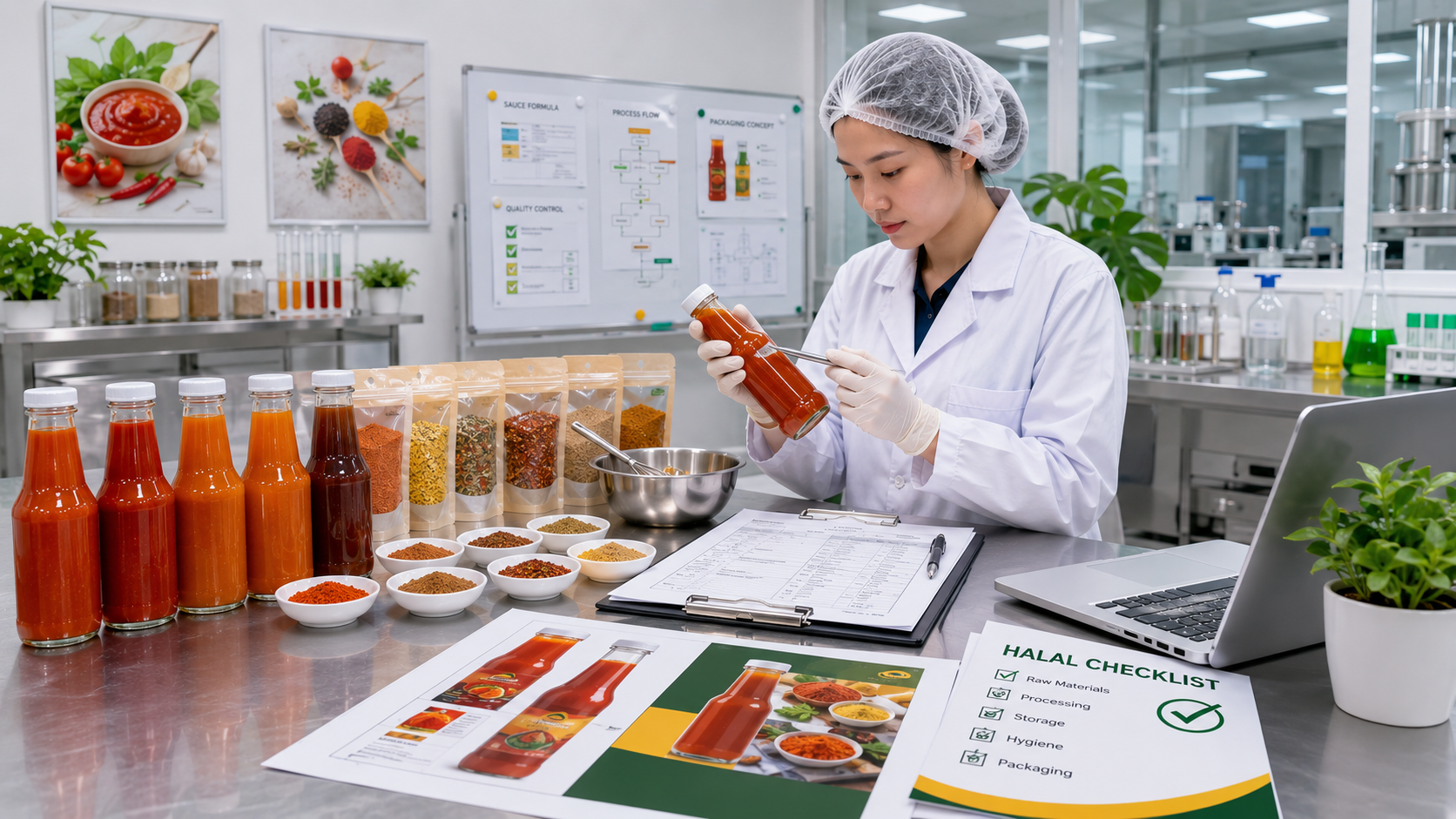


Halal should not be understood simply as a certification mark placed on packaging. For a seasoning manufacturer, Halal readiness begins with people who understand ingredients, formulations, processes, documentation and critical control points. That is why Hoa Sen Foods’ R&D team joined professional training on Halal standards and supervision to strengthen its product development knowledge.
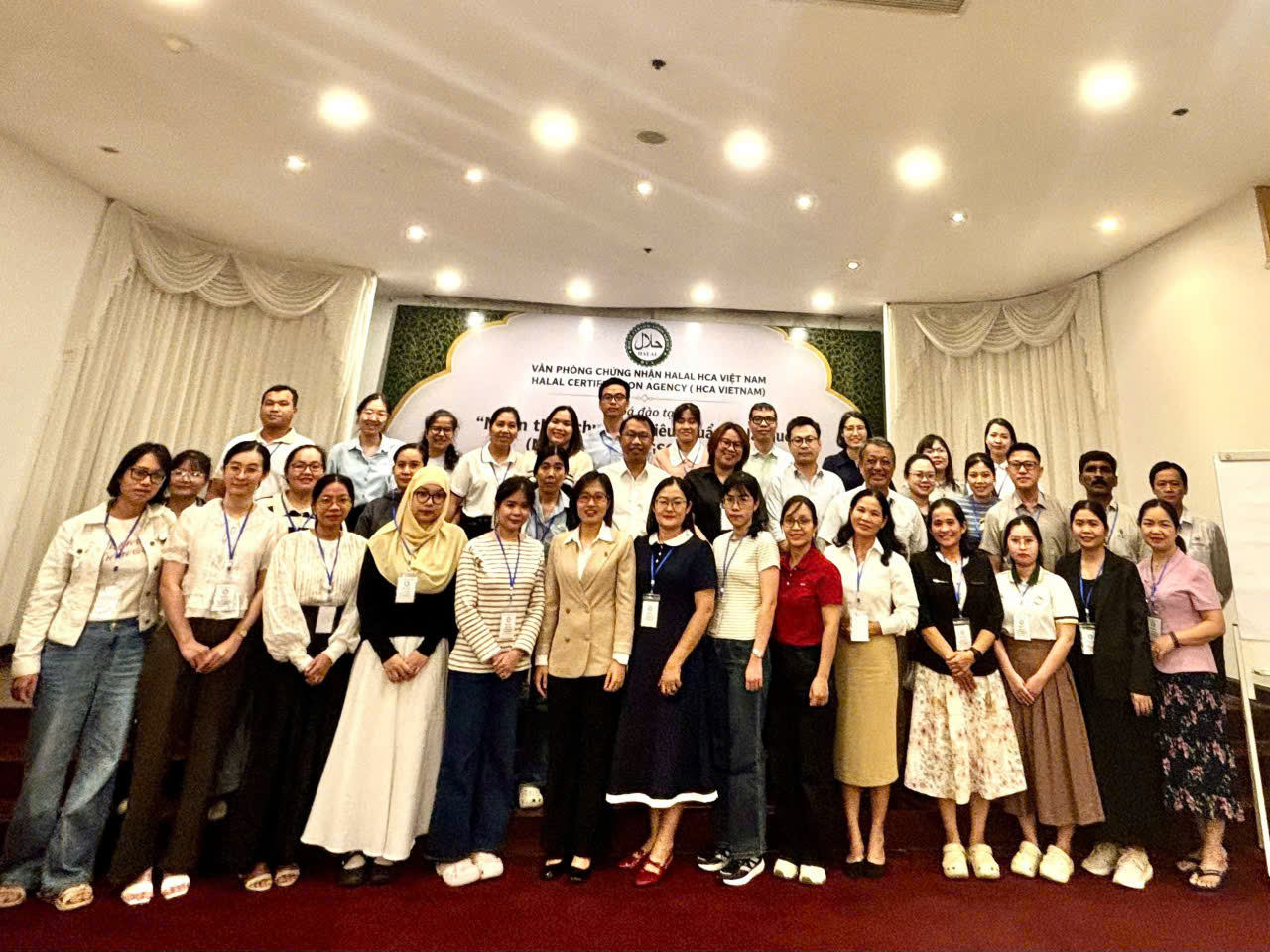
In seasoning and food contract manufacturing, customers usually see the finished product first: a bottle of dipping sauce, a seasoning sachet, a jar of sauce or a completed private-label product. Behind a product that is prepared for demanding markets, however, are many decisions involving ingredients, formulation, suppliers, production, sanitation, documentation and traceability.
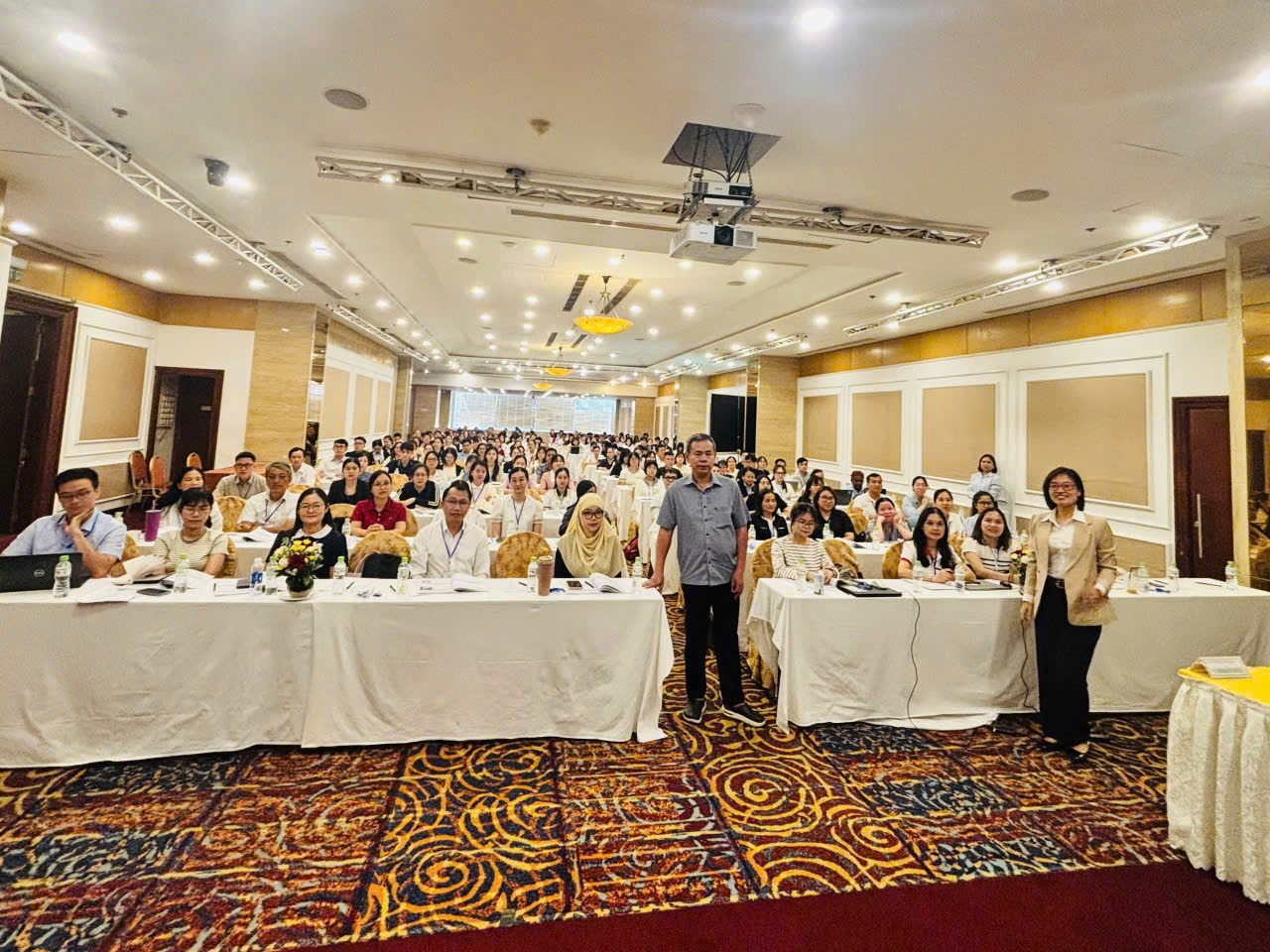
This is why Hoa Sen Foods considers continuous technical learning an important part of its customer-service capability. The R&D team attended the course “General Awareness of International Halal Standards & Certification and Halal Supervisor Training” based on the program information published by HCA Vietnam.
Why should a seasoning manufacturer invest in Halal knowledge within its R&D team?
Quick answer: R&D is where many important product decisions are made before production begins. When the team understands Halal requirements early, ingredients, formulations and documentation can be reviewed during sample development rather than after the product is nearly finalized and changes become more costly.
A formulation may taste right and perform consistently from a sensory perspective, yet it may still require further review if the product is intended for a Halal-sensitive market. The issue is not limited to major ingredients. Seasoning powders, seasoning blends, sauces and dipping products may contain multiple supporting ingredients, flavorings, carriers or components from different sources.
If Halal requirements are considered only at the end of the project, the brand may need to replace ingredients, change suppliers, reformulate the product or add supporting documentation. Even a seemingly small change can require another round of sample testing, sensory evaluation and cost recalculation.
Hoa Sen Foods prefers a more preventive approach: bring destination-market requirements and relevant control considerations into the R&D process as early as possible. This reflects the role Hoa Sen Foods aims to play as a trusted production partner—not merely receiving manufacturing orders, but helping customers assess feasibility before a product moves further toward commercialization.
How does Halal training change the way the R&D team evaluates a product?
Quick answer: The value of training is not in memorizing technical terminology. It is in learning to ask the right questions during product development: what needs to be checked, which documents require clarification and which changes in ingredients or processes may affect the product’s intended Halal pathway.
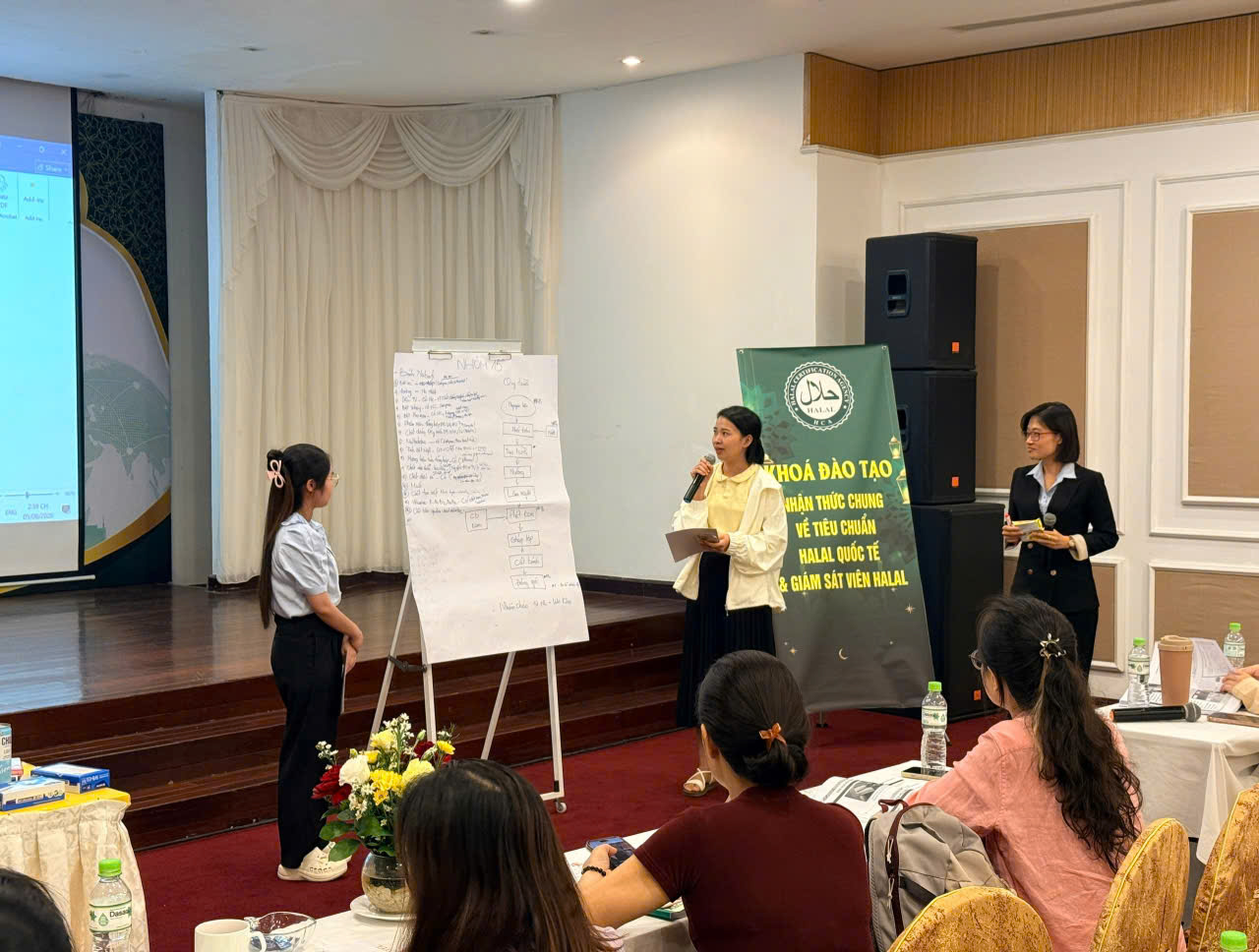
After the training, Hoa Sen Foods does not expect every team member to become a “certification expert.” The practical objective is to improve the quality of questions the R&D team asks during its work. For example:
- What is the origin of this ingredient, and what supporting documentation is available?
- Can the supplier provide the documents required for review when needed?
- Could a change in flavoring or additive affect the intended Halal pathway of the formulation?
- Which market is the product being developed for, and what certification requirements may apply?
- Are there production, sanitation, storage or packaging points that require closer control?
These questions do not replace the assessment of a certification body. They do, however, help a business prepare more systematically before entering a formal evaluation process.
What does a B2B customer gain when the manufacturing partner understands Halal requirements early?
Quick answer: For businesses developing proprietary products, the practical benefit is a lower risk of “finishing first and reworking later.” When the manufacturing partner considers the destination market, ingredients, formulation and documentation early, the customer is better positioned to manage testing time, adjustment costs and avoidable project risks.
| Approach | Possible Risk | Hoa Sen Foods’ Preferred Direction |
|---|---|---|
| Develop the product first and ask about Halal later | Ingredients may need to be replaced, samples repeated or documentation added late in the project. | Identify destination-market considerations during the R&D stage. |
| Focus only on the final Halal mark or certificate | Operational factors behind the product may be overlooked. | Consider ingredients, formulation, processes, documentation and traceability together. |
| Assume all Halal markets have identical requirements | The selected certification pathway may not suit the destination market. | Clarify the importing country, distributor requirements and applicable expectations before deciding. |
| Change ingredients without reviewing the impact | The change may affect documentation, sensory performance or compliance readiness. | Record important changes and reassess the formulation when necessary. |
For customers seeking seasoning and food contract manufacturing, the value of a partner is not simply whether it “can manufacture” the product. The greater value is the ability to identify issues early enough to prevent them from becoming larger risks later.
This is also part of the collaboration experience Hoa Sen Foods is building: listening carefully to product ideas, assessing feasibility, developing test samples, manufacturing and packaging through a clear and responsible process.
How does Hoa Sen Foods bring a Halal-readiness mindset into product development?
Quick answer: For projects with Halal objectives, Hoa Sen Foods prefers to work backward from the destination market instead of finalizing the formulation first and checking requirements later. The market and customer expectations are clarified first, followed by ingredient review, sample development, documentation and the appropriate certification pathway when required.
- Define the destination market. Will the product be sold in Vietnam, Malaysia, Indonesia, the Middle East or another market? Does the importer have specific requirements?
- Clarify the product direction. Product type, flavor profile, format, target consumer, pricing objective and sales channel should be aligned before the formulation is optimized.
- Review ingredients and documentation. The R&D team and relevant departments review ingredient sources, suppliers and supporting documents within the project scope.
- Develop and test samples. Test samples are evaluated for taste, stability and suitability against the agreed requirements. Important changes should be documented.
- Review production and packaging conditions. Relevant production, sanitation, storage, packaging and traceability points are considered according to the actual product requirements.
- Coordinate the certification pathway when required. When the project reaches the certification stage, the business should work with a competent certification body that is appropriate for the destination market.
Businesses researching export opportunities can also refer to Halal Seasoning for Morocco: What Should Businesses Prepare? to understand why destination-market requirements should be considered from the beginning.
Does Halal training mean Hoa Sen Foods has certified every product as Halal?
Quick answer: No. Staff training strengthens internal awareness and operating capability, while Halal certification is a separate formal assessment linked to a defined scope and an appropriate certification body. These two matters should be clearly distinguished so customers do not misunderstand the actual certification status.
This reflects an important communication principle at Hoa Sen Foods: state clearly what has actually been done and do not turn a training activity into a certification claim that is not supported by evidence.
If your product requires Halal certification, the following points should be clarified:
- the exact product scope to be certified;
- the destination country or distribution market;
- requirements from the importer or distributor;
- ingredient and supplier documentation;
- the appropriate certification body accepted by the target market.
From training to customer value: what matters most?
Quick answer: Training only creates real value when the knowledge is brought back into daily operations. For Hoa Sen Foods, the objective is to help the team ask better questions, review details more carefully and coordinate more clearly across R&D, sourcing, production and customer communication—especially for products intended for demanding markets.
Hoa Sen Foods does not want professionalism to be built on large claims. Professionalism should be visible in the way the team works: continuously updating knowledge, documenting requirements, controlling changes, protecting confidential information and identifying risks before customers take products to market.
As a trusted production partner for seasoning and food brands, Hoa Sen Foods continues to invest in R&D capability and people because a stable product does not come from machinery alone. It comes from people who understand why each step in the process needs to be done correctly.
If you are developing a product concept and need to assess feasibility from formulation and test samples to manufacturing options, Hoa Sen Foods can discuss the initial requirements with you before production begins. Explore Hoa Sen Foods’ services or send us your project requirements.
Frequently Asked Questions About Halal Training and Seasoning Manufacturing
Does Halal supervisor training mean the finished product is already Halal-certified?
No. Training helps staff strengthen their knowledge and recognize relevant requirements during day-to-day work. Product or system certification is a separate assessment carried out by a competent certification body.
When should a business tell its manufacturer that a product needs Halal certification?
As early as possible, ideally at the R&D briefing stage. This allows ingredients, formulation and documentation to be considered before the business invests in multiple rounds of sample testing or moves into production.
Can one Halal certificate automatically be used for every market?
Businesses should not assume so. Recognition and certification requirements may differ by country, importer or product category. The destination market should therefore be identified before the certification pathway is selected.
How can Hoa Sen Foods support product development?
Hoa Sen Foods can support feasibility consultation, formulation R&D, test samples, contract manufacturing and packaging within its service scope. Where Halal requirements apply, they should be discussed early; official certification remains the responsibility of the appropriate certification body.
Content updated: 27 August 2026.