

Sitting in a boardroom in Riyadh a few months ago, I faced a procurement head who had sourced spices from Malaysia for twenty years. Looking closely at my portfolio, he asked a question I hear almost every single week.
“Vietnam is a beautiful country, but can I truly trust your Halal integrity?”
He wondered how he could know the stamp on the box wasn’t just ink. To be fair, this isn’t always the case with every supplier, but his skepticism was completely natural. When you are responsible for the food safety of millions, you cannot afford to take risks. Understand the heavy responsibility of feeding consumers in the Middle East. Buyers need more than just a piece of paper; they need a verifiable, bulletproof system.
From what we’ve seen, building that trust takes time and total transparency.
But here’s the thing. The entire ecosystem is currently undergoing a massive, structural shift. While we haven’t been a traditional hub for Islamic dietary compliance, we are moving incredibly fast to catch up. Put in place the right infrastructure, and a country can change its entire export profile overnight. The government has realized that the global Halal market is a multi-trillion-dollar opportunity. Because of this, they are actively supporting local enterprises in upgrading their facilities to meet strict GCC standards.
If you are a Middle Eastern buyer looking for better value, understanding the halal certification Vietnam landscape is the absolute key to a safe supply chain. Let’s look at the reality on the ground. We will break down exactly how you can source safely from this emerging market.
- Placement: Right after the introduction.
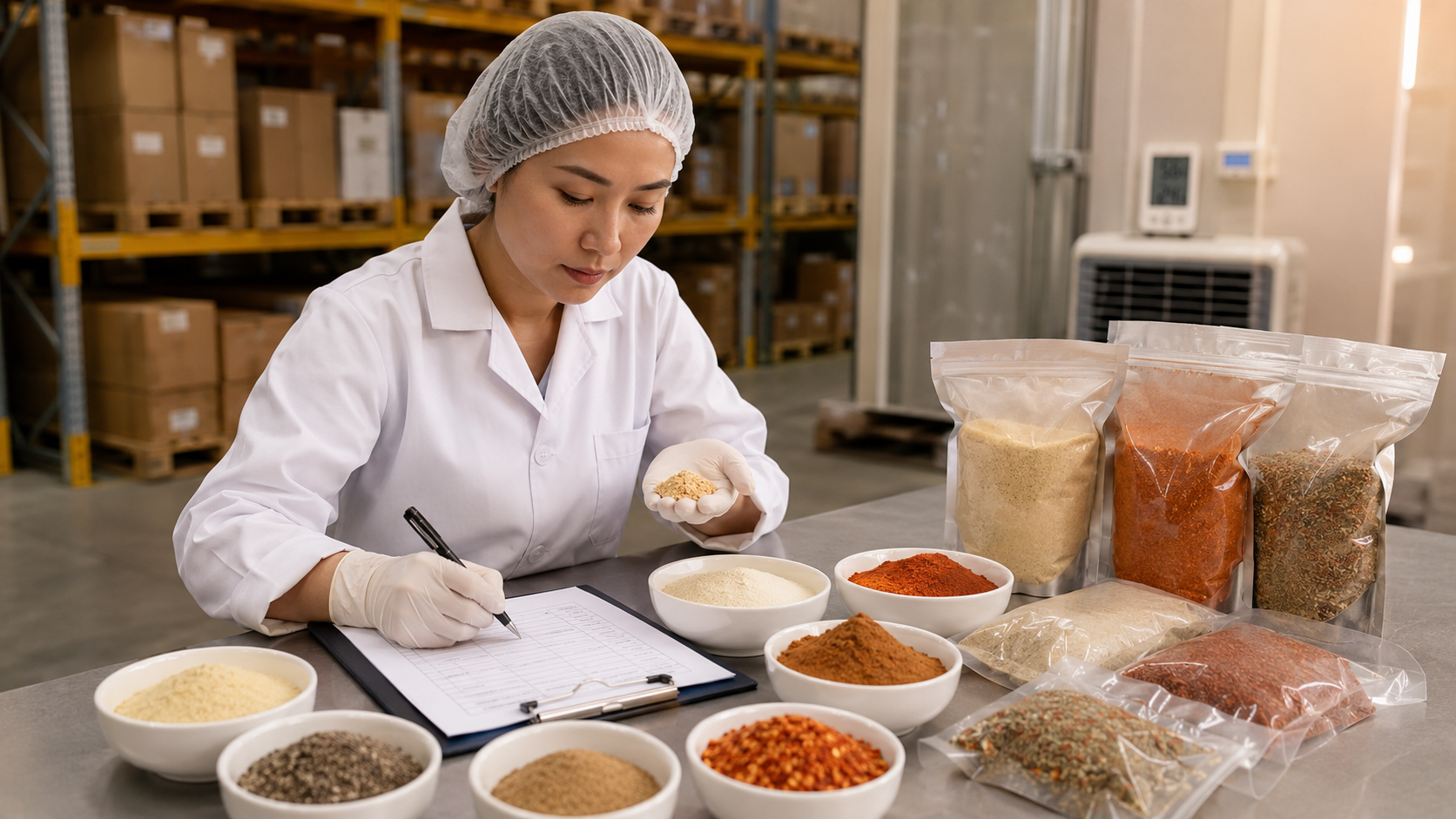
- Visual: A professional photo of a Halal audit taking place in a clean, modern Vietnamese factory, showing the auditor checking a checklist next to stainless steel production lines.
- Alt Text: Professional audit for halal certification Vietnam in a spice factory.
After years of being a “silent” raw material supplier for global brokers, the Vietnam halal food export sector has finally stepped into the light. The old ways of fragmented, local certifications are disappearing rapidly. Manufacturers realize they cannot win international contracts without world-class compliance.
Today, a few highly reputable Certification Bodies (CBs) govern the entire system. Look closely at organizations operating directly under the Vietnam Certification Centre. They work closely with government agencies to ensure factories aren’t just “Halal on paper.” They demand actual, physical compliance on the factory floor every single day.
But here’s the thing. Not every certificate issued here carries the same legal weight.
Tầm quan trọng của chứng nhận GCC
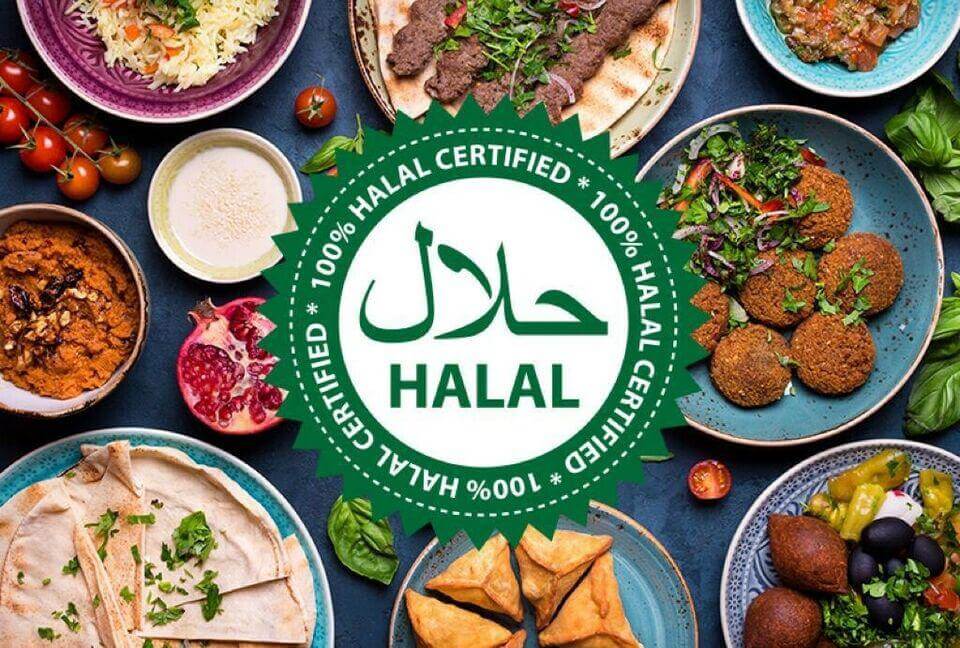
As a smart buyer, you need to look for CBs that are officially recognized by GAC (Gulf Accreditation Center) or ESMA (UAE). In our experience, this recognition is the absolute gold standard for the Middle East. If a factory holds this specific accreditation, their goods will clear GCC customs without any friction.
Many Vietnamese CBs now maintain cross-recognition agreements with JAKIM in Malaysia, MUI in Indonesia, and MUIS in Singapore. Because these agreements exist, the global market is opening up to Vietnamese manufacturers rapidly. A Vietnam halal food export shipment now carries the same foundational trust as one coming from Jakarta or Kuala Lumpur, provided you use the right factory.
When it comes to modern halal certification Vietnam standards, the focus has shifted entirely to a thorough Halal Assurance System (HAS). Track every single ingredient. Document the anti-caking agents in your garlic powder. Verify the food-grade lubricants used on the conveyor belts. A proper HAS ensures that absolutely nothing slips through the cracks.
Cross-Recognition: The Safety Net
To make it easier for you to understand, look at how recognition currently works for top-tier Vietnamese exporters:
| Governing Body | Recognition Level | Market Access |
| GAC / ESMA | Fully Recognized | All GCC Countries (UAE, KSA, Qatar, etc.) |
| JAKIM / MUI | Mutually Recognized | Southeast Asia & Global Markets |
| Local CBs | Internal Audit Only | Domestic or Non-Regulated Markets |
In our experience, if a supplier cannot show you a certificate recognized by one of the top authorities in that table, you should proceed with extreme caution. Operating without proper recognition usually leads to detained shipments and massive financial losses at the destination port.
Losing an entire container at the Dubai port because a certificate expired by two days is a complete nightmare. Don’t let that happen to your business.
When evaluating a new partner for Vietnam halal food export, you shouldn’t just take their word for it. Trust, but verify. This rigorous verification process forms the core of being a responsible caregiver for your brand and your consumers.
Follow these exact steps to protect your supply chain:
Step 1: Check the QR Code and Registry
Check the QR code on modern certificates immediately. It should lead you directly to the official, secure database of the Certification Body. If it leads to a dead link or a generic homepage, that is a massive red flag.
Read the “Scope of Certification” carefully. Does it cover your specific spice blend, or does it only cover raw materials? Many buyers fail to realize that a factory might be certified to process black pepper, but not certified to mix complex shawarma seasonings. Ensure the scope matches your exact Vietnam halal food export needs.
Step 2: Request the Original Document
Always ask for a high-resolution copy of the original certificate. Look for the “Halal Assurance System” rating. Because a factory with an “A” rating has a much more thorough internal control system, you can trust their daily operations more easily.
Verify that the certificate specifically names the production facility where your goods are actually blended and packed. Sometimes, trading companies present certificates belonging to a different factory entirely. You must ensure the address on the paperwork matches the physical location mixing your spices.
Step 3: Conduct Direct or Third-Party Audits
To be fair, traveling to Vietnam for every single shipment isn’t always practical. However, we always encourage our partners to send a local, third-party auditor to inspect the facility. Schedule a video call for a “live walkthrough.” A factory proud of its halal certification Vietnam integrity will never hide its production lines from a client.
Ask if they have entirely separate storage zones for Halal items. Review exactly how they document their cleaning process after processing a batch of spices. A thorough cleaning protocol (SOP) is often the absolute difference between passing and failing an audit.
- Placement: Inside the verification section.
- Visual: A close-up of a Halal certificate highlighting the GAC/ESMA logos and a QR code, with a magnifying glass over the expiration date.
- Alt Text: How to verify a certificate for Vietnam halal food export.
You might be surprised to know that many products currently sitting on your shelves in Riyadh or Dubai actually started their journey in Vietnam.
Navigating the Middle Eastern market successfully, heritage brands like Vinamilk and Cholimex have paved the way for the rest of the country. They didn’t achieve this massive success by cutting corners. Treat halal certification Vietnam requirements as a fundamental part of your corporate DNA, and the market will reward you.
The lesson here is simple. Seriousness pays off.
From what we’ve seen, companies that understand Halal as “Toyyib” succeed the most. Toyyib means purity, safety, and wholesomeness. When a Vietnamese company invests millions of dollars in a dedicated Halal line, they are signaling clearly that they value your safety. They respect the religious requirements of your consumers deeply.
You don’t have to be a multi-billion dollar corporation to get this right. Small, agile OEM partners are often even more meticulous. Because they have everything to prove, they pay closer attention to the small details. Use their hunger to prove themselves to your distinct advantage. Partner with an emerging factory, and you often get much better service and much more competitive pricing.
If you want to understand the exact raw materials driving this success, read our guide on Why Vietnam Is Your Next Halal Spice Manufacturing Partner (Article 2).
At Hoa Sen Foods, we don’t just “do” Halal. We live it every single day.
View us as the “hậu phương” (the reliable backbone) for your growing brand. Our primary role is to act as the caregiver. We work quietly behind the scenes, ensuring everything we produce is safe, pure, and thoroughly compliant.
Looking closely at our website, you will see the Halal logo recognized heavily by GCC authorities. But the physical certificate is just the beginning of our deep commitment to the Vietnam halal food export market.
Why Our Process is Different
Put in place a thorough Halal Assurance System, and you control every single step of the OEM/ODM process.
- Raw Material Transparency: Trace every peppercorn and cinnamon stick back to the farm. We use no hidden additives. We reject materials with questionable origins immediately.
- Agile R&D: Create a custom spice blend in just 7 to 14 days. We check every single prototype for strict Halal compliance before it ever leaves our lab.
- The Caregiver Commitment: Our core value of “Tử tế” (Kindness) means we never create products that could harm human health. Avoid harmful preservatives. Reject artificial fillers that don’t meet the high “Toyyib” standard.
Understand that your brand’s reputation rests entirely in our hands. We take that responsibility very seriously.
To see our full list of credentials and how we manage the technical side of Vietnam halal food export, visit our dedicated Certifications Page.
How We Protect Your Business
In our experience, a good manufacturer does more than just blend spices. They actively protect their clients.
When you trust us with your Vietnam halal food export orders, we put in place strict Non-Disclosure Agreements (NDAs). We never share your custom formulas with third parties. We refuse to disclose your production volumes to your competitors. We don’t even use your brand name for our own marketing purposes unless you explicitly tell us to.
You are the star. We are the factory.
By operating with this level of deep integrity, we help you build a sustainable business in the Middle East. We offer the absolute best value—optimizing costs while maintaining world-class hygiene standards. We ensure your halal certification Vietnam documents are always perfectly aligned with your shipment.
If you want to see how we apply this strict care to actual products, explore our Halal OEM Manufacturing Services.
Let’s be completely honest for a moment.
The traditional Halal manufacturing markets are becoming crowded, rigid, and highly expensive. Currently acting as a massive “blue ocean”, Vietnam offers rich natural materials and highly competitive operational costs. The halal certification Vietnam system has matured significantly over the last five years.
It is now transparent, verifiable, and highly reliable.
If you are a buyer in the Middle East, I have one piece of advice. Don’t wait for everyone else to catch on. Start small. Request a custom sample of our certified black pepper or our signature shawarma blend. Verify our documents thoroughly. Test our R&D speed. Compare our ingredient lists with your current suppliers.
For a complete breakdown of the raw materials available to you right now, review A Buyer’s Guide to Vietnamese Spices (Article 7).
We are here to be the reliable launchpad for your ambitions. Let us help you build a safe, highly profitable partnership based on trust, kindness, and meticulous compliance.
Ready to explore the potential of Vietnam for your next product?
Request your Halal-certified samples today via our WhatsApp or Contact Form. → [Link to Contact Form]
Frequently Asked Questions from GCC Buyers
1. Is a halal certification Vietnam document really accepted in Saudi Arabia?
Yes, as long as the specific certificate is issued by a CB officially recognized by the SFDA or GAC. Reputable exporters like Hoa Sen Foods only use internationally recognized CBs to ensure smooth customs clearance at all GCC borders.
2. How long does the certification process take for a new OEM product?
Because our factory is already fully certified under a thorough Halal Assurance System, a new product developed under our existing scope can be ready for export much faster. We often finish the compliance checks within our standard 7-14 day R&D cycle.
3. Does Vietnam have a national Halal standard?
While the government is currently finalizing more unified national standards to boost the Vietnam halal food export industry, top exporters already follow the strict international standards set directly by Malaysia (JAKIM) and the UAE (ESMA).
4. How can I be sure about the Vietnam halal food export quality?
Look for factories that hold ISO 22000 or HACCP alongside their Halal certificate. This ensures that the overall food safety system is as thorough and rigorous as the religious compliance.
5. Will Hoa Sen Foods keep my spice recipe a secret?
Absolutely. Put in place strict NDAs, and we guarantee your custom formulas are never shared or sold. Protecting your intellectual property is a fundamental part of our caregiver philosophy. We never compromise your trust for short-term gain.